
In today’s fast-paced world, staying informed about economic, business, and breaking news is crucial for individuals and organizations alike. Whether you are an entrepreneur seeking to make informed decisions or a professional wanting to stay ahead in your career, understanding the latest developments in these areas can provide a competitive edge. However, with the avalanche of information available, it can be overwhelming to sift through it all. This guide offers a comprehensive checklist that will help you streamline your news consumption, ensuring you get the most relevant and accurate information. From setting up alerts to following trusted sources, our checklist is designed to help you navigate the complexities of news consumption efficiently. By embracing these strategies, you can stay updated on the significant economic indicators, business trends, and breaking news stories that impact your life and work. Let’s dive into the essential steps to keep your knowledge current and relevant.
1. Identify Your News Sources
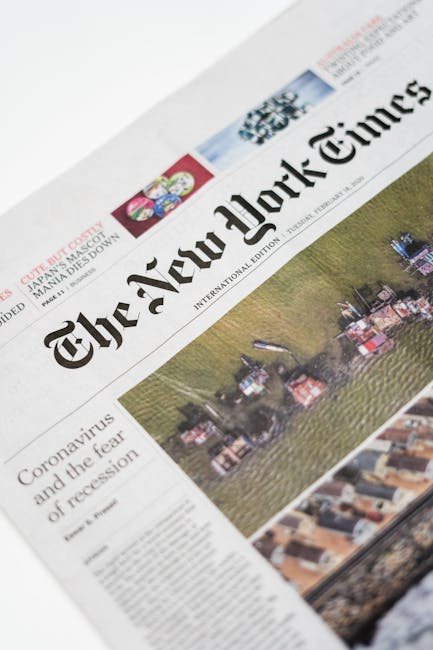
The first step in staying updated on economic, business, and breaking news is to identify the sources that you can trust. Major news organizations like Bloomberg, Reuters, and The Wall Street Journal offer comprehensive coverage of economic trends and business news. Additionally, specialized publications such as The Economist provide in-depth analysis and insights. Consider subscribing to newsletters from these sources, as they often curate top stories and essential updates tailored to your interests. Moreover, don’t overlook the importance of social media; platforms like Twitter can be invaluable for real-time updates. Follow industry experts and reputable journalists who cover economic and business news to receive insights as they happen. By selectively curating your news sources, you can reduce noise and focus on the information that matters most to you.
2. Set Up News Alerts
Setting up news alerts is an effective way to receive timely updates on specific topics of interest. Many news websites and services offer customizable alert systems that notify you via email or push notifications whenever a story related to your chosen keywords is published. For instance, Google Alerts allows you to monitor specific phrases—such as “economic recession” or “start-up funding”—so you can receive updates directly in your inbox. This tool is particularly useful for tracking rapidly changing stories or developments in niche industries. Additionally, you can set alerts for breaking news, ensuring you are among the first to know when significant events occur. By proactively managing your news alerts, you can stay informed without having to constantly check multiple news outlets.
3. Utilize News Aggregators
News aggregators are powerful tools that compile articles from various sources, making it easier to access a wide range of news in one place. Platforms like Feedly and Flipboard allow you to create personalized feeds based on your interests, including economic and business news. These services enable you to follow multiple sources simultaneously, which can be a time-saver. For example, you can categorize your feeds to separate breaking news from in-depth analysis, allowing you to prioritize your reading. Additionally, many aggregators offer mobile apps, so you can catch up on the latest news while on the go. By leveraging news aggregators, you can ensure that you are not missing out on valuable information from sources you might not typically visit.
4. Engage with Podcasts and Webinars
In recent years, podcasts and webinars have emerged as popular formats for consuming news and analysis. Many reputable organizations and experts offer podcasts focused on economic and business topics, providing in-depth discussions and expert interviews. For example, shows like “Planet Money” by NPR explore complex economic issues in an accessible format. Similarly, webinars hosted by industry leaders can offer insights into emerging trends or challenges within specific sectors. Engaging with audio and visual formats can enhance your understanding of intricate subjects that might be challenging to grasp through text alone. Consider setting aside time during your commute or workout to listen to informative podcasts or participate in live webinars to stay updated while multitasking.
5. Follow Industry Influencers on Social Media
Social media platforms, especially LinkedIn and Twitter, are excellent venues for connecting with industry influencers and thought leaders who share valuable insights on economic and business news. Following these individuals can provide you with real-time updates, expert opinions, and analyses that go beyond traditional news reporting. Look for economists, market analysts, and business leaders who regularly share their perspectives. By engaging with their content, you can gain access to discussions that may not be covered in mainstream media. Additionally, participating in conversations on these platforms can help you network with like-minded professionals and deepen your understanding of current trends and issues. Make it a habit to check your social media feeds daily to stay connected to the pulse of the industry.
6. Consistently Review Economic Indicators
Understanding key economic indicators is essential for anyone looking to stay updated on economic trends. Indicators such as GDP growth rates, unemployment figures, inflation rates, and consumer spending metrics provide a snapshot of the economy’s health. Regularly reviewing these indicators can help you anticipate shifts in the market and make informed decisions. For example, a sudden increase in unemployment rates can signal economic downturns, while rising consumer spending may indicate growth. Websites like the Bureau of Economic Analysis and the Federal Reserve provide official data that can be helpful for your research. Make it a practice to review these indicators monthly or quarterly, and consider creating a simple dashboard to track changes over time.
7. Join Professional Networks and Forums
Joining professional networks and online forums can be an excellent way to stay informed about industry-specific developments and trends. Platforms like LinkedIn Groups or industry-specific forums allow you to connect with peers, share knowledge, and discuss the latest news. Many of these groups host discussions on current events, regulatory changes, and innovations that can impact your business. Additionally, participating in these communities can provide you with access to resources such as white papers, research studies, and webinars that delve deeper into specific topics. Engaging with your peers not only keeps you updated but can also lead to new opportunities and collaborations. Make it a point to contribute to discussions, ask questions, and share relevant articles to enhance your professional network.
Conclusion
Staying updated on economic, business, and breaking news is a multifaceted process that requires a strategic approach. By identifying trusted news sources, setting up alerts, utilizing aggregators, and engaging with podcasts and industry influencers, you can cultivate a robust news consumption habit. Regularly reviewing economic indicators and participating in professional networks further enhances your understanding of the landscape. In this era of information overload, having a solid checklist can help you navigate the complexities of news consumption with ease. Stay proactive in your pursuit of knowledge, and you will be better equipped to make informed decisions in your personal and professional life.